
The Provence-Alpes-Côte d’Azur Regional Chamber of Agriculture has spent several months developing a regional food sovereignty initiative that goes beyond simply assessing the situation. Concrete projects are emerging to transform agricultural supply chains, support new farmers and secure recognition for local produce. Led at the regional level, these initiatives are reshaping the role of chambers of commerce and agriculture in supporting farmers and supply chains.
Food sovereignty in Provence-Alpes-Côte d’Azur: from assessment to action
The region has begun a planning process aimed at turning its food sovereignty assessment into concrete action. The initiative goes beyond measuring import flows or self-sufficiency rates by supply chain: it identifies practical ways to strengthen local production.
One of these is adding value to supply chains by developing markets and processing products locally. Dairy, citrus and poultry are among the sectors targeted by national plans to restore food self-sufficiency, and the PACA region is part of this effort.
Following APCA AZ news gives a sense of the range of projects underway as part of this planning process: supporting project leaders, developing distribution channels and backing local processing.
A scheme currently in development would introduce a “future-focused agricultural project” designation. Approved project leaders would benefit from a single point of contact and dedicated regional support. The aim is to simplify administrative procedures, often cited by farmers investing in new supply chains as a major obstacle.
Starting and handing over farms: the France Services Agriculture pathway
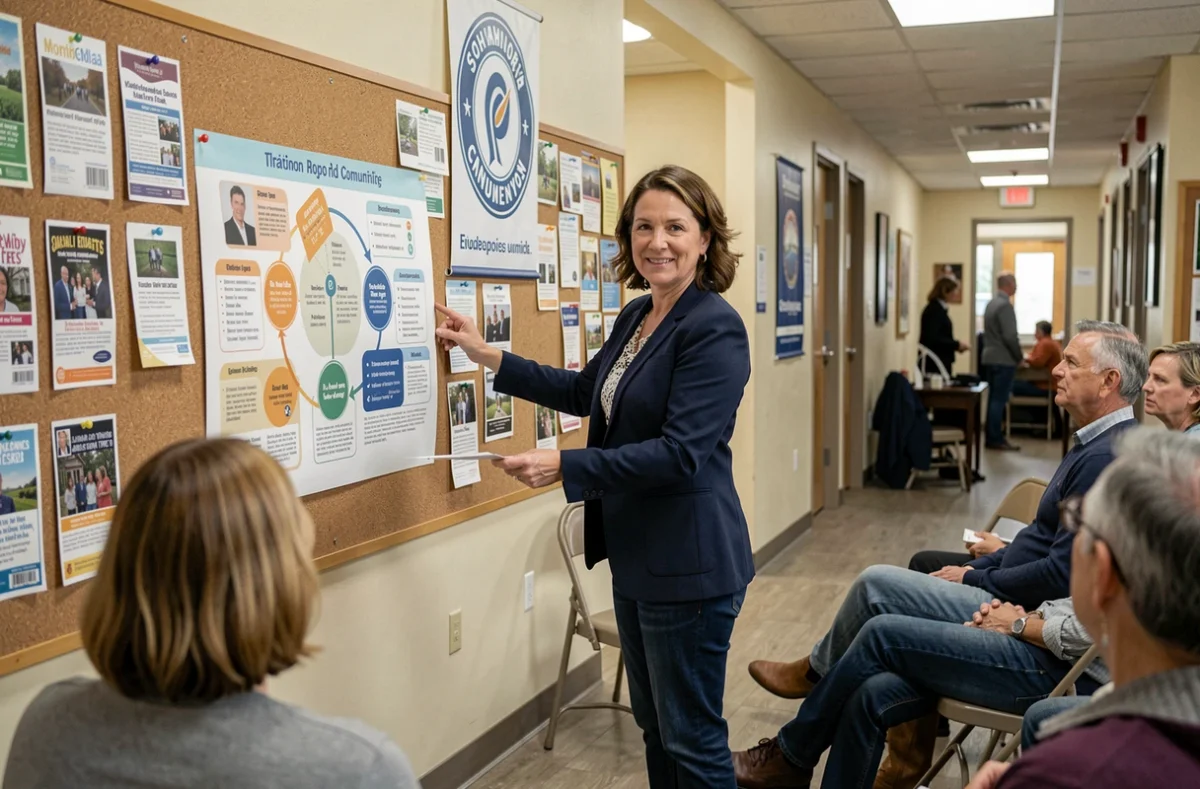
Bringing new farmers into the sector and passing on existing farms remain major structural challenges in PACA. The Chamber of Agriculture is taking part in the Farm Start-up and Succession Forum, organised by the Young Farmers of Alpes-de-Haute-Provence. The event brings together aspiring farmers and farm owners looking to hand over their businesses to discuss the France Services Agriculture pathway.
This pathway provides a central point of access to support and guidance schemes. It covers project assessments, technical support and post-start-up follow-up. For those handing over their farms, it offers a framework for preparing the transition, including farm valuations and introductions to potential buyers.
The challenge is not a lack of support schemes, but how they are coordinated on the ground. A project leader may have to deal with several different organisations—chambers, local authorities and funding bodies—with no clear coordination between them. The single point of contact proposed under the future-focused project scheme would directly address this issue, provided it is backed by sufficient staff.
Provençal almond sector: using PGI status to add value
The Provençal almond sector is currently working to secure a Protected Geographical Indication (PGI). This European recognition would protect the name from imitation and guarantee consumers that the product comes from the stated geographical area.
The stakes go beyond a marketing label. Without PGI status, local producers compete directly with imported almonds sold under vague descriptions. PGI recognition requires compliance with detailed specifications:
- A geographically defined production area, with soil and climate criteria specific to Provence
- Approved varieties and regulated growing practices, distinguishing the product from industrially produced almonds
- Full traceability from harvest to sale, verified by an independent certification body
Returning “to square one” if the application fails is a risk recognised by those in the sector. Investments in collective organisation, including cooperatives and processing facilities, would lose some of their rationale without the protection provided by PGI status.

Funding and regulation: practical barriers to transforming agricultural supply chains
Regional initiatives to strengthen food sovereignty face recurring obstacles. The first is financial: local processing projects, such as cutting facilities, packing units and logistics platforms, require substantial investment. Public grants are available, but accessing them remains complicated, and processing delays discourage some applicants.
The second barrier is regulatory. Health and environmental standards apply uniformly, regardless of the size of the farm. A small producer who wants to process almonds or pack fruit on-site must meet the same requirements as an industrial operator, without having the same resources to ensure compliance.
The third obstacle is labour. Agricultural supply chains in PACA struggle to recruit workers for production, processing and sales. Farm start-up and succession forums aim to address this by attracting new people to the sector, but generational renewal remains insufficient to offset the expected number of retirements.
- The “future-focused agricultural project” scheme could speed up application processing through its single point of contact
- PGI recognition for Provençal almonds could set a useful precedent for other local sectors seeking protected status
- Regional forums create more opportunities for farm owners and potential buyers to connect, but deals often depend on securing the initial funding
The question remains: are the tools introduced—designation, support and forums—enough to overcome these structural barriers, or is additional funding needed for regional planning to deliver measurable results for local supply chains? The coming months will offer an initial indication, particularly through the number of projects that receive the designation and the timeline for the Provençal almond PGI application.