In our daily lives, we often interact with objects whose manufacturing complexity we are unaware of. Among these elements, abrasive materials hold a prominent place. Whether for polishing, smoothing, or cutting, these substances play an indispensable role in many industrial and domestic processes. Often underestimated, these materials are at the heart of numerous innovations. Their ability to shape and transform surfaces makes them valuable tools in a world where precision and quality are paramount.
Origin and evolution of abrasives
Abrasives are not a modern invention; quite the opposite. Their use dates back to ancient times.
Since Antiquity, humans have recognized the properties of certain natural stones to improve their tools and weapons. Stones like pumice and flint were commonly used. With the advent of metallurgy techniques, the role of abrasives increased, allowing for finer finishes on metal objects.
Over the centuries, science and technology have enabled the development of artificial abrasive materials, such as silicon carbide and aluminum oxide. These innovations have not only improved the efficiency of abrasives but have also expanded their application to other industries like automotive, aerospace, and much more.
Types and modern applications of abrasives
Modernity has brought an impressive diversity in the field of abrasives, each responding to specific needs.
- Natural abrasives: These include materials such as natural diamond, quartz, and sandstone. They are often used for applications where purity is essential.
- Synthetic abrasives: These are manufactured for specific uses. Synthetic corundum and silicon carbide are examples. They offer increased strength and durability, ideal for intensive industrial operations.
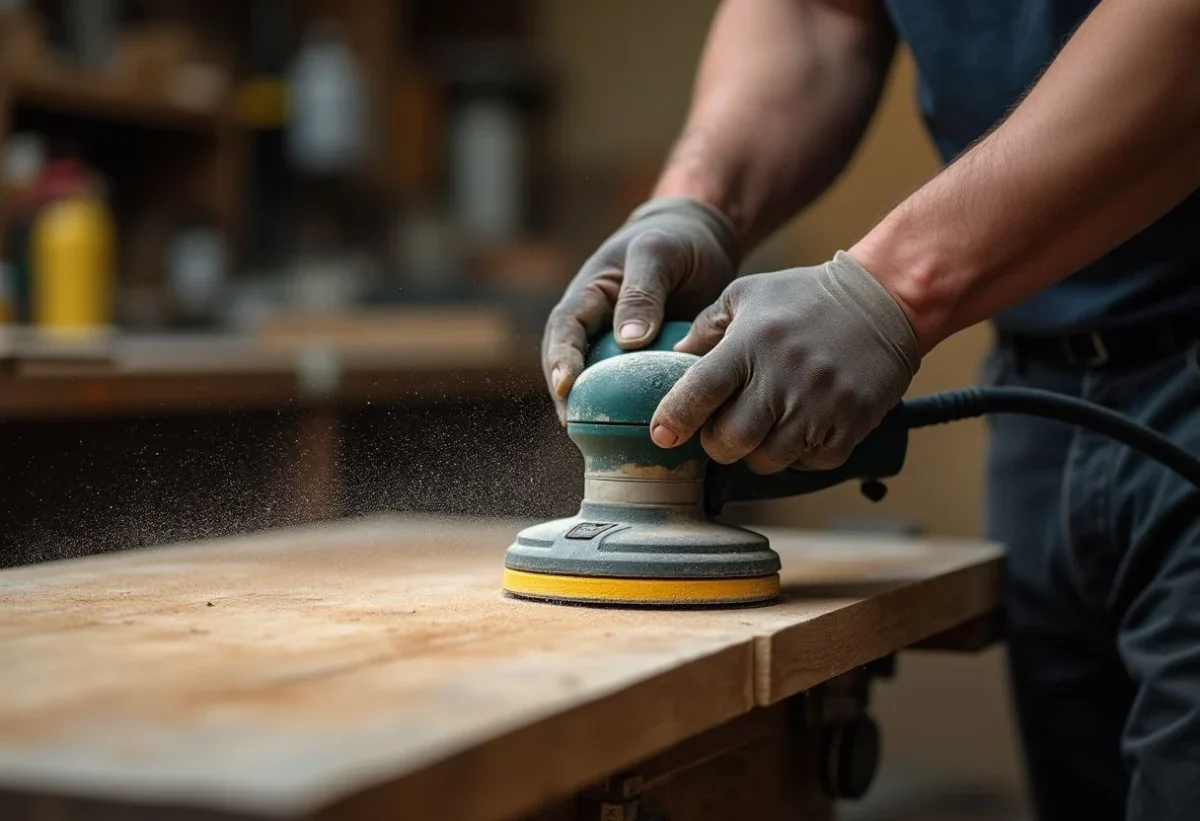
- Coated abrasives: These products consist of an abrasive material bonded to a backing. Sandpaper and abrasive belts illustrate this category, widely used for sanding and smoothing surfaces.
Each type of abrasive has its own characteristics and meets specific requirements. In the construction field, for example, the choice between a natural abrasive and a synthetic abrasive can directly influence the final finish of a surface.
Impact of abrasives on the environment and safety
A growing ecological awareness prompts reflection on the environmental impact of abrasives.
The manufacturing processes of abrasives, particularly those involving synthetic materials, raise environmental concerns. Pollution from gas emissions and waste management are major challenges. Initiatives are underway to develop more eco-friendly abrasives, using recycled or biodegradable materials.
From a safety perspective, the use of abrasives requires adherence to strict precautions. The dust generated during sanding work, for example, can be harmful to the respiratory tract. Therefore, wearing masks and protective goggles is strongly recommended when using an abrasive.
Future of abrasives: towards sustainable innovation
The world of abrasives is constantly evolving, driven by innovation and the changing needs of industries.
With the advent of additive manufacturing and nanotechnology, new perspectives are opening up. Researchers are exploring ways to further enhance the efficiency of abrasives while reducing their ecological footprint. Advanced composites and smart materials could revolutionize the way we use abrasives, making their application more precise and environmentally friendly.
In a world where resources are limited, the future of abrasives lies in their ability to adapt to ecological and industrial demands, ensuring sustainability without compromising performance.