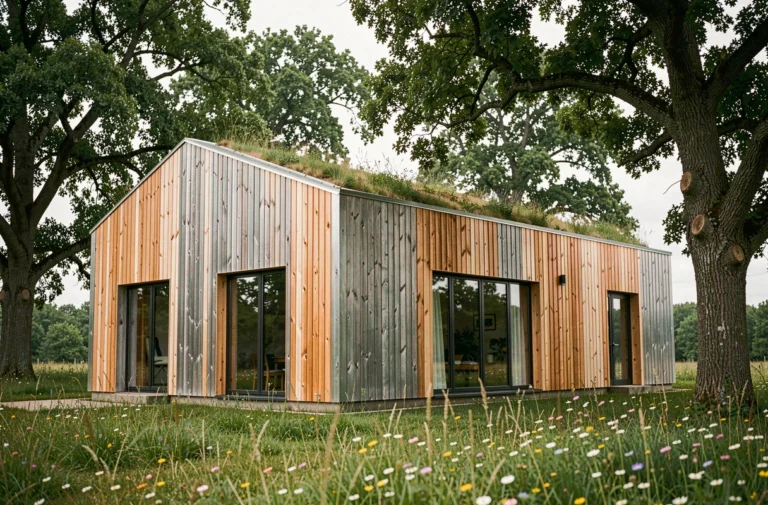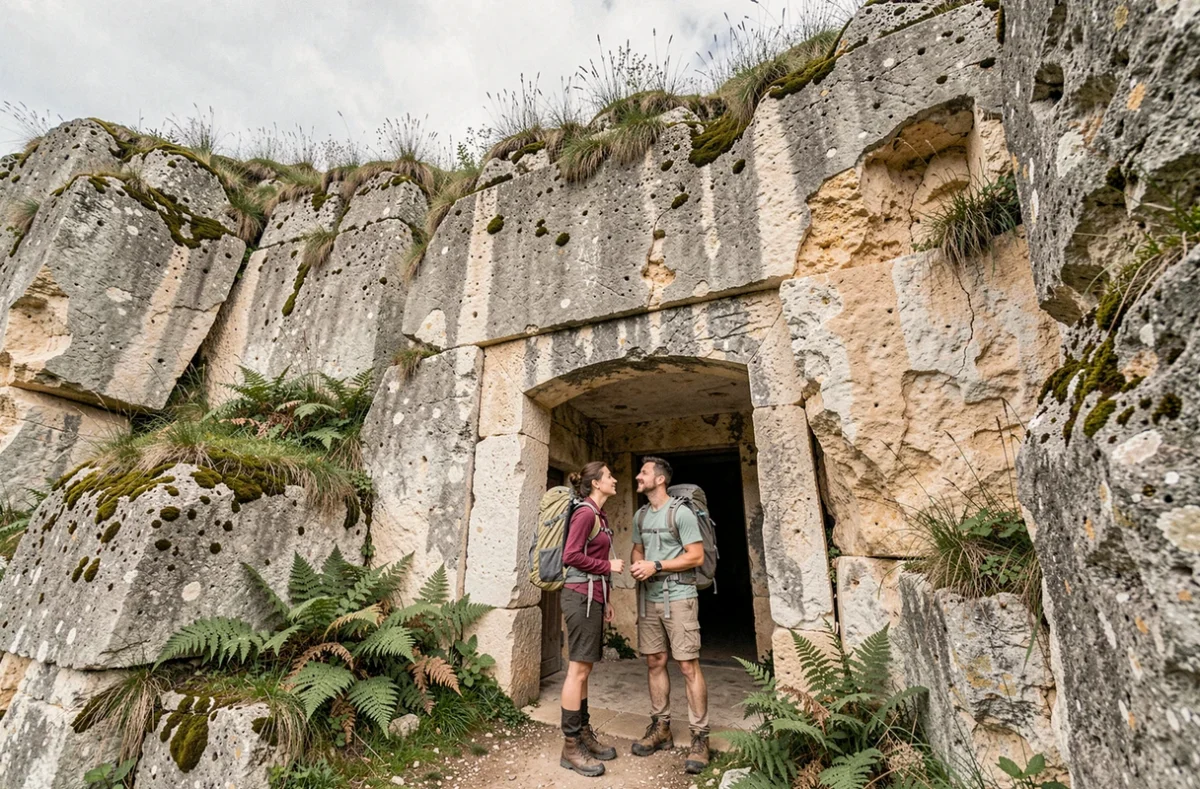
An unusual weekend in France is a short break featuring accommodation or activities that go beyond the usual options: a treehouse, a transparent bubble, a gypsy caravan, a yurt, a night in a lighthouse or a former wine cellar. France’s varied landscapes and microclimates make these getaways easy to enjoy without flying, often within three hours by train of a major city.
Unusual accommodation in France: what the term really means
The word “unusual” is not a legal accommodation category. A treehouse, tiny house or gypsy caravan may be subject to different regulations depending on whether it is located at a registered campsite, on a farm or on private land. Planning, insurance and fire safety rules vary from one municipality to another.
Before booking, two checks are essential. First, check the accommodation’s registration status with the local town hall (a declaration to the town hall, tourist accommodation classification, or simply a seasonal rental). Second, check the access arrangements: some remote sites can only be reached by private vehicle, which affects the logistics of your stay.
To browse unusual weekend ideas in France sorted by region and accommodation type, a dedicated directory can save time during the research stage.
Treehouse, bubble or yurt: choose according to the setting and season
Not all unusual accommodation is equally suited to every time of year. A transparent bubble offers a spectacular experience on a clear summer night, but can become stifling in hot weather and freezing from autumn onwards if it has no ventilation or heating system.
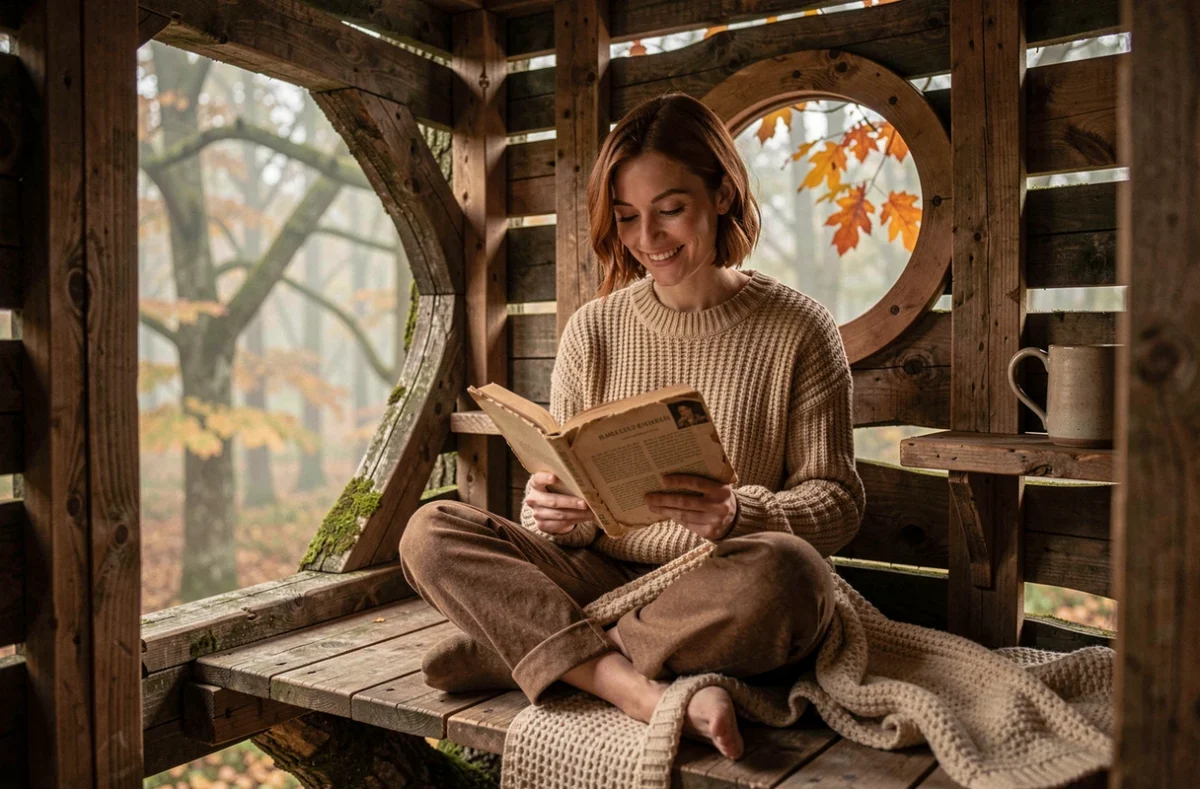
Treehouses are still the most common option. They work just as well for couples as for families, provided you check whether they are suitable for children (ladder, walkway, and minimum age, often set by the operator). The best-equipped structures have integrated bathrooms and enough insulation for three-season use.
The yurt, which originated in Mongolia, suits groups or families looking for an open-plan space. Its main advantage is the generous interior. Its main drawback is the almost nonexistent soundproofing, making it best suited to sites far from any noise.
- Bubble: best in the shoulder seasons (April–May, September–October) for clear skies without excessive heat
- Treehouse: the most versatile option; check the minimum age and conditions for accessing elevated areas
- Yurt: ideal for stays in remote natural settings, but unsuitable for noisy environments
- Gypsy caravan: a good balance of mobility and comfort, often equipped with a small wood-burning stove for winter
An unusual getaway without a car: a factor that can change your destination
Most unusual accommodation is in rural areas, far from train stations. Getting there without a car remains the main obstacle to this type of getaway. The journey involves more than just the train: you also need to plan the transfer between the station and your accommodation, which may be dozens of kilometres away.
Some regions make this journey easier than others. In Normandy, some packages combine rail travel, a transfer arranged by the accommodation provider, and activities within walking or cycling distance. This kind of coordination is still rare, but it does exist and is worth looking for when booking.
A useful tip: contact the accommodation provider directly to ask whether they offer a shuttle from the nearest station. This detail, rarely mentioned on booking platforms, can sometimes make the difference between a smooth weekend and a logistical headache.
Eco-friendly labels and nature stays: look beyond the marketing
The labels “eco-friendly” and “ecotourism” are increasingly common in listings for unusual accommodation in natural settings. Since there is no single mandatory label, these terms can mean very different things from one site to another.
A few practical criteria can help distinguish genuine commitment from a simple marketing claim:
- Water management: composting toilets, rainwater collection, or connection to the municipal water supply with an individual meter
- Energy: solar panels, no air conditioning, locally sourced wood heating
- Waste: on-site recycling, composting, reduced packaging for supplied items
- Getting around locally: bike hire, marked trails from the accommodation, partnerships with local producers to reduce car journeys
Asking the accommodation provider for verifiable evidence (energy bills, certification from an independent organisation, photos of the facilities) is the best way to assess whether a stated “green” approach is genuine.
An unusual weekend with family or as a couple: two different ways to choose
Couples tend to prioritise privacy, peace and quiet, and often an open view. Accommodation with just one unit on the property (a lighthouse, secluded treehouse or renovated shepherd’s cottage) is a better fit than a cluster of cabins where close quarters are unavoidable.
For families, safety and space take priority. Children under six are often not allowed in treehouses because of safety concerns related to access at height. Ground-level yurts and gypsy caravans with enclosed grounds are better suited to young children.
In either case, two nights is usually the ideal length of stay. One night leaves little time to enjoy the site after settling in. Three nights in a small space without standard bathroom facilities can become uncomfortable, especially for families.
Across France, it is possible to find unusual accommodation less than three hours away from most major cities. Distance is therefore not the main constraint; it is the quality of your research: the accommodation’s status, accessibility, the right season, and whether the type of accommodation suits the travellers. A weekend chosen with these criteria in mind can offer a change of scenery that longer, less carefully planned conventional holidays sometimes struggle to match.