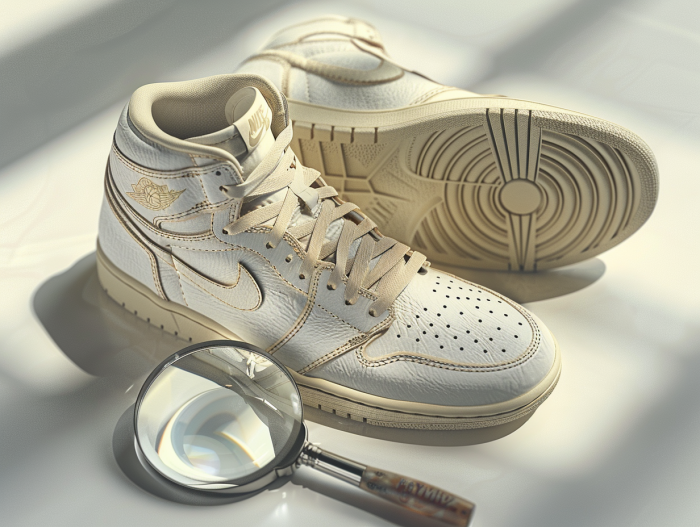
The authenticity of Nike sneakers is a major concern for collectors and fashion enthusiasts in a market where counterfeits are becoming increasingly sophisticated. Differentiating an authentic pair from a fake requires a keen eye and knowledge of a few key tips. Be sure to know where and how to inspect the shoes, recognize unmistakable manufacturing details, and understand the importance of serial numbers and the materials used by the brand. With a constantly evolving market, staying informed about authentication methods is essential for any enthusiast eager to ensure the validity of their purchases.
Keys to Effectively Authenticate Your Nike Sneakers
The sneaker market is flooded with counterfeit products, making the authentication of a pair of Nikes more than just a formality. The serial number stands out as a fundamental element, a true passport for the shoe. Carefully inspect the inner label. Each pair of Nike sneakers has a unique number, an indicator of authenticity. Check the consistency of this number with the Nike verification code through specialized online tools or dedicated mobile applications.
Authentication techniques are diverse and vary by model. Savvy collectors and consumers turn to databases like Sole Collector, which catalog the specifics of each edition of Nike sneakers. This information is invaluable for comparing and contrasting the details of the shoe in question.
Digital tools play a leading role in the fight against counterfeits. Mobile verification apps, such as those developed by third parties or by Nike itself, offer the ability to scan barcodes and confirm the authenticity of sneakers in just moments. Using these apps is an additional safeguard against counterfeits.
The Global Electronic Party Information Registry (GEPIR) serves as a significant ally. This international database allows you to match the serial number of sneakers with the manufacturer, thus validating the authenticity of the product. The transparency of information and ease of access to GEPIR make this tool an indispensable resource for discerning consumers.
Detecting Counterfeits: Techniques and Practical Tips
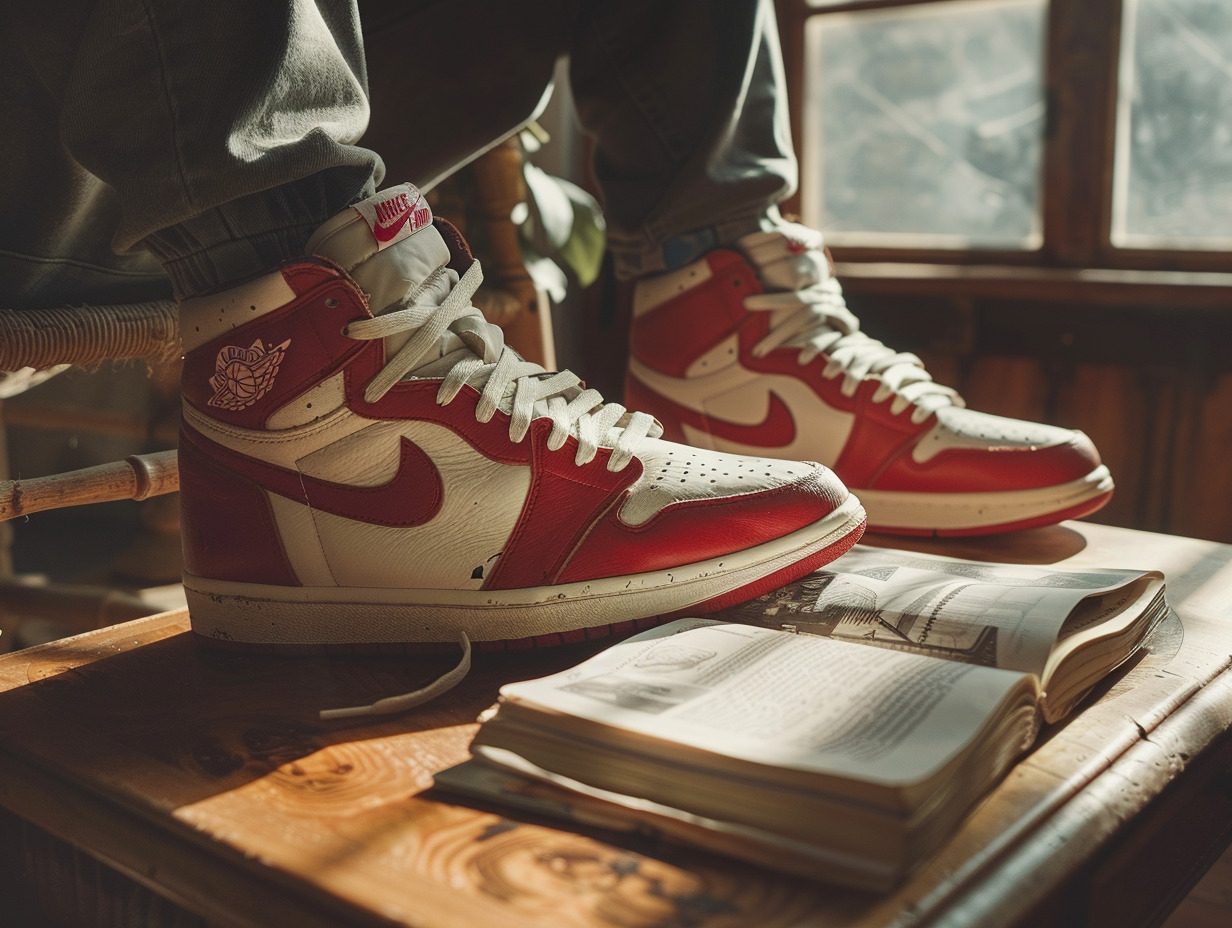
In the face of the proliferation of counterfeits, identifying an authentic pair of Nikes becomes a high-precision exercise. The Nike Air Force 1, an iconic and frequently imitated model, requires particular attention. Examine the quality of materials: the finishes, the consistency of the leather, the density of the foam. These elements, difficult for counterfeiters to reproduce accurately, are telling signs. On selling platforms like eBay or Le Bon Coin, be extra vigilant; listings may hide fakes under misleading photographs.
Expertise lies in the details. The inner label becomes a subject of study: the stitching, the font, the arrangement of information. Any deviation from Nike’s standards should raise suspicion. Access reference photos on reliable sites to meticulously compare your pair’s label with those of authentic products. The label’s compliance with the brand’s standards is often a guarantee of authenticity.
Nike shoe collections are vast and varied, making it challenging for counterfeiters to accurately reproduce each model. Use this diversity to your advantage. Engage with collector communities and specialized forums to obtain feedback and targeted advice on the specific model you desire. The exchange of information and mutual assistance are powerful weapons against counterfeiting, helping to preserve the integrity of your collection.