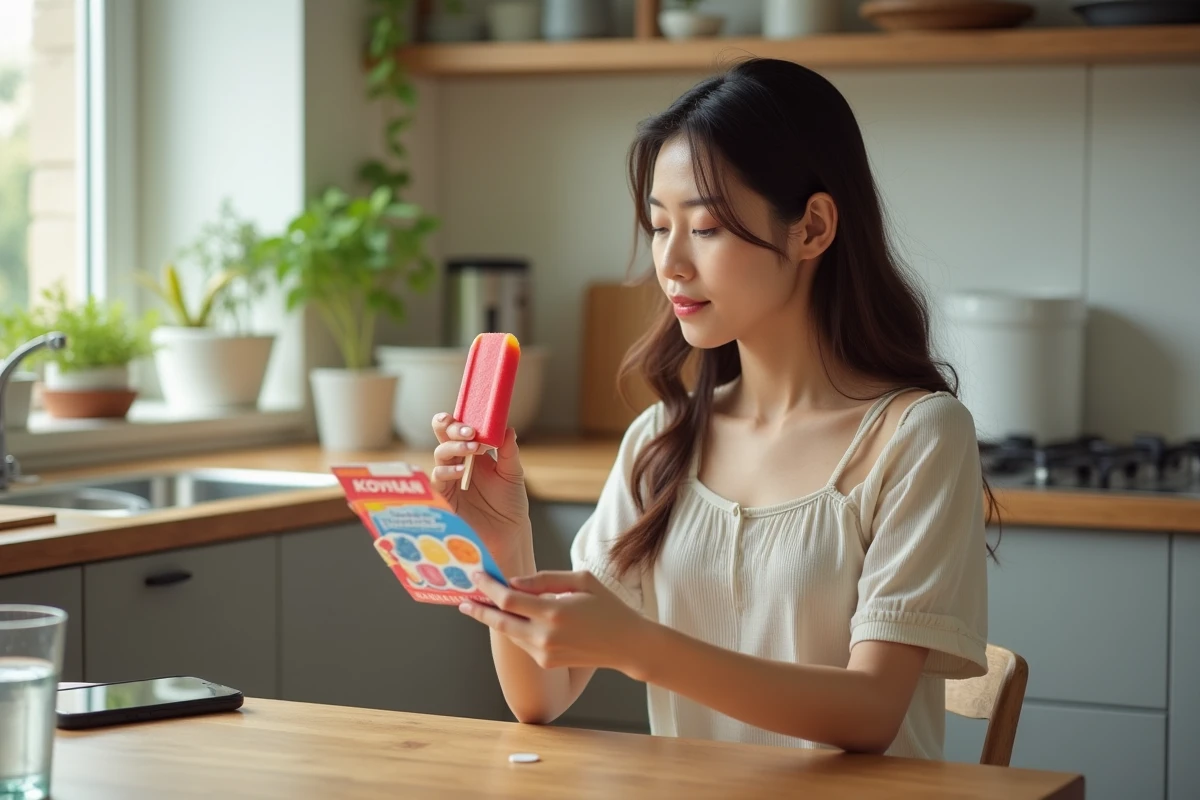
Some foods display surprisingly low calorie values, yet do not guarantee an interesting nutritional intake. Water ice, often perceived as a light choice, sometimes contains additives or sugars whose impact goes beyond the simple reading of the number on the packaging.
In the hospitality industry, the selection of so-called “light” desserts often relies on these indications, while managing the sweet offerings in the afternoon requires particular attention to customer expectations, product rotation, and profitability in that niche.
Afternoon Management in Hospitality: A Often Underestimated Niche
In restaurants, the afternoon often remains a blind spot. Between two services, energy drops and creativity wanes. However, this time holds untapped potential, especially for establishments that welcome families, groups, or tourists seeking freshness and comfort. The afternoon is not just an added soul to the menu: it is a true stage where the identity of a place is expressed, where customer loyalty is reenacted, and where profitability is shaped outside of peak hours.
Of course, the season, the school calendar, or the customer profile influence the flow, but it all hinges on the ability to offer a menu that aligns with current desires. Sorbet, water ice, frozen yogurt: each choice speaks volumes about the establishment’s philosophy. Some bet on convenience with Mister Freeze, touted for their minimal energy contribution. But stopping at just the reading of the calories of Mister Freeze, a topic discussed in the article “Are Mister Freeze Really Low in Calories? – Synopsis Mag,” does not answer the question of quality, naturalness, or transparency regarding the composition.
From the United States to France, structuring this consumption time requires clarifying the establishment’s vision. Adjusting the menu, training the team to highlight each dessert, adapting portions to the day’s audience: every detail weighs in the balance of the experience. Viewing the afternoon as an opportunity opens the door to a renewed connection with diners, while optimizing resources and profitability.
Why the Calories of Mister Freeze Are Not Enough to Guarantee a Truly Light Dessert?
The notion of “light dessert” is too often reduced to a simple number: the calorie. It’s appealing, especially when reading the packaging of a Mister Freeze. A low number, a promise of lightness, and the decision seems made. But reality far exceeds this measure.
Behind the packaging, the nutritional profile raises questions. A Mister Freeze is mainly water mixed with quick sugars. Lipids and proteins are virtually absent, while the share of simple carbohydrates skyrockets. The result: a rapid spike in blood sugar, followed by an energy crash, and over time, an open door to type 2 diabetes. No fiber, no vitamins: the dessert does not satisfy, provides no useful micronutrients, and leaves the consumer wanting.
That’s not all. Artificial additives and colorants, E133, E129 to name a few, ensure a striking visual but are controversial. Among children, these colorants raise concerns about their safety. Regularly consuming such products also exposes one’s teeth to cavities and the body to lasting imbalances.
| Component | Presence in Mister Freeze |
|---|---|
| Water | High |
| Carbohydrates (quick sugars) | High |
| Lipids | Almost none |
| Proteins | Negligible |
| Fibers | Absent |
| Vitamins | Absent |
| Additives/colorants (E133, E129) | Present |
Looking only at the calorie number is to close one’s eyes to the whole picture. The composition, its short and long-term impact, the educational role of what is served: everything counts to make dessert a true moment of pleasure, without compromising health.
Inspiring Initiatives to Transform the Afternoon Dessert Experience
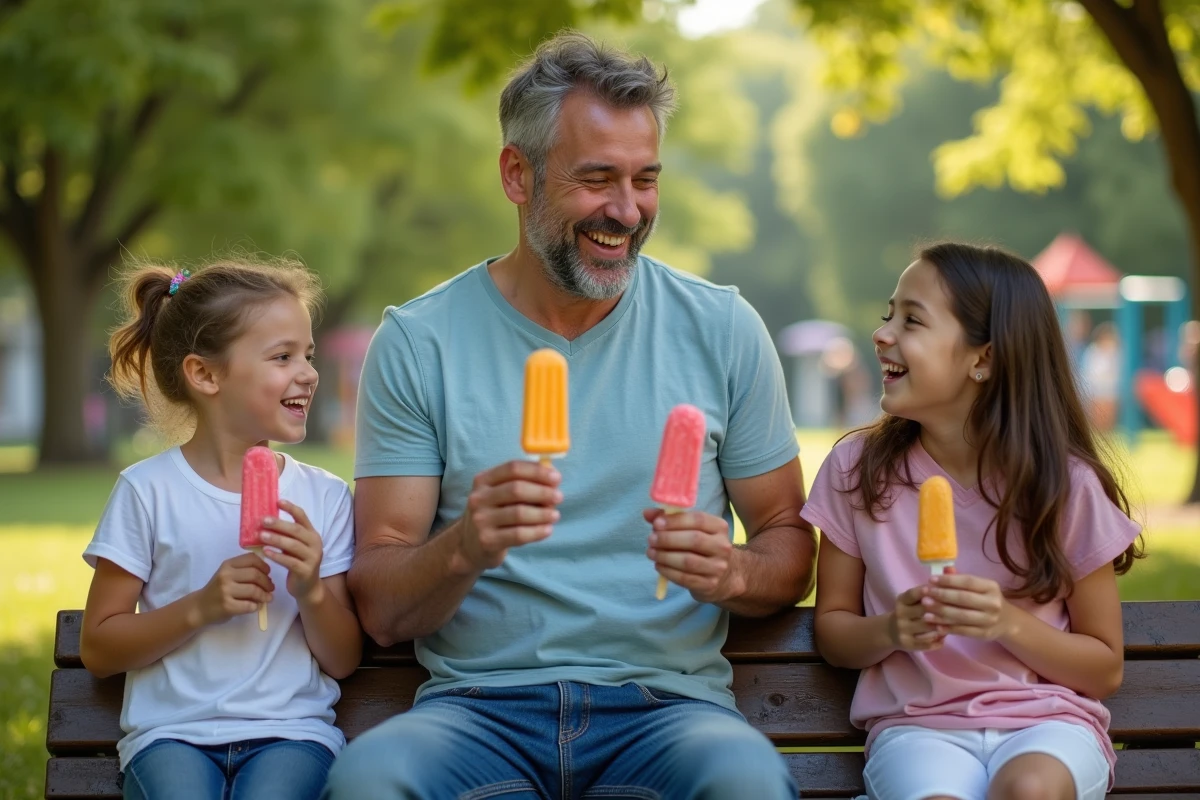
The afternoon can become the ground for a new dessert experience. Several establishments have understood this and offer alternatives that shake up habits. Betting on the freshness of fruits, assembling them into colorful skewers or blending them into frozen smoothies: these are all ways to revitalize the menu and meet customers’ expectations for authenticity.
We also see homemade sorbets blooming, frozen yogurts prepared from local products, sometimes even in organic or vegan versions. Some establishments turn ice cream preparation into a collective workshop: the staff gets involved, know-how is passed on, and the image of the establishment is enriched. Such initiatives create team dynamics and attract a new clientele, sensitive to the approach.
The reflection even extends to the choice of packaging. Banning plastic, favoring compostable or reusable options also sends a strong signal to consumers. On social media, these commitments generate buzz and enhance the establishment’s attractiveness.
Here are some concrete ideas that certain professionals are implementing to renew their dessert offerings:
- Ice creams without added sugar: an alternative that appeals to both young and old.
- Training for staff: to share techniques and create participatory workshops around ice cream.
- Communication on websites: highlighting the project and building customer loyalty by showcasing the commitments made.
A frozen dessert is not just a number. Behind the freshness, there are choices, values, sometimes a story to tell. And that is where the experience becomes memorable.