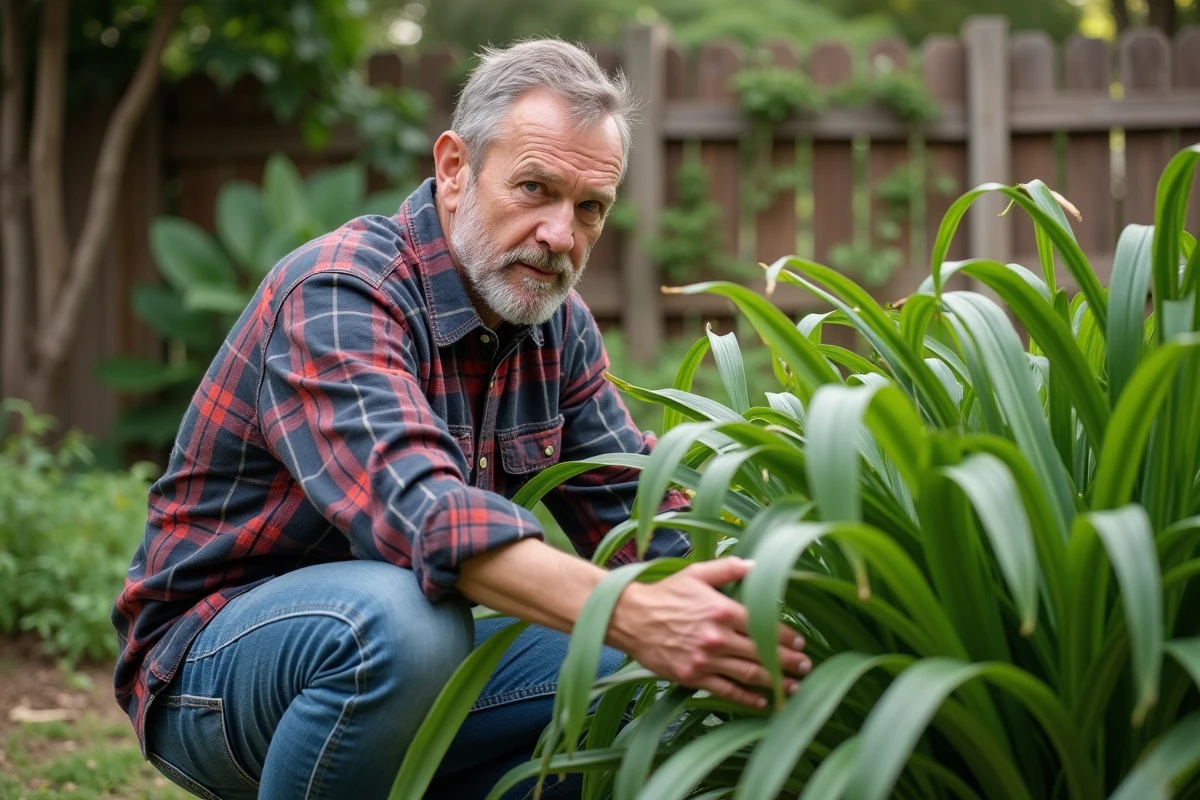
The name rhus viminalis rarely appears in traditional horticultural catalogs, although it refers to a robust species that is surprisingly drought-tolerant and thrives in poor soils. Its belonging to the Anacardiaceae family clearly distinguishes it from most common ornamental plants.
Despite its rapid growth and ease of cultivation, this plant remains underutilized in European green spaces. However, its ecological potential, particularly for soil stabilization and supporting biodiversity, is generating increasing interest among landscape professionals.
Rhus viminalis: origins, characteristics, and benefits for the garden
The rhus viminalis, sometimes found under the names false bamboo, African sumac, or yellow-flowering sumac, discreetly asserts itself in the South African botanical landscape. Classified among the anacardiaceae, it resembles bamboo with its bushy appearance, but here, there are no invasive rhizomes to fear. Its long, vibrant green foliage is distinguished by a graphic elegance, without falling into excess.
As an adult, this large shrub grows tall: between 3 and 5 meters depending on conditions, with a width of about 1.5 meters. Its rapid growth appeals to those who wish to structure their garden in just a few seasons. In spring, it is adorned with discreet yellow flowers, quickly followed by red or black fruits that contrast with the delicacy of its leaves. No concerns about toxicity, a significant advantage for spaces shared with children or schools.
The rhus viminalis stands out for its remarkable adaptability. It thrives in dry, Mediterranean gardens, on poor, rocky, or sandy soils. Once well-rooted, it withstands drought episodes and scorching exposures without flinching. This is why landscapers and experienced gardeners recommend it as a hedge, in isolation, or as a green screen: its beauty and robustness make a difference. About rhus viminalis, there’s no chance of getting bored: each specimen, each garden showcases its own personality, revealing a species that is still too little explored.
What does a healthy rhus viminalis need? Light, soil, and maintenance throughout the seasons
In terms of light, rhus viminalis does not do things by halves: full sun suits it perfectly. In partial shade, it survives, but its growth loses some of its splendor. Native to Southern Africa, it appreciates poor, sandy, or rocky soils, as long as they remain well-drained. Rich soils are acceptable, provided that water stagnation, which is harmful to it, is avoided.
In terms of cold resistance, it withstands temperatures down to -7°C, and sometimes -10°C for the hardiest specimens. In areas with harsh winters, protective mulching is necessary, and young plants require careful monitoring. After the first year, where regular watering aids rooting, it easily endures summer droughts. In loose soil or exposed to wind, staking will be appreciated.
Maintenance is minimal. A light pruning just after flowering densifies the shrub without breaking its natural silhouette. Watch for the potential appearance of fungal diseases, particularly armillaria, and limit excessive watering. Propagation is straightforward, through seeding or cutting, depending on your preference and the time of year. This adaptability, combined with its robustness, makes rhus viminalis a solid ally for any Mediterranean garden or one subjected to water stress.

Inspiring ideas for integrating rhus viminalis into a colorful and lively garden
Few gardeners truly know rhus viminalis, but those who try it quickly discover its decorative potential. Its slender appearance, rapid growth, and bright foliage create striking contrasts with more traditional blooms. As a hedge, it structures without ever suffocating the space, while preserving intimacy. Its fine and dense foliage resembles bamboo, but without the drawbacks of unruly rhizomes.
In a Mediterranean or dry garden, it serves as a green screen: placed at the back of a bed, it adds depth and highlights other plants. In isolation, it becomes a focal point, reaching heights of 3 to 5 meters to structure the volumes. The yellow flowers of spring, followed by red or black fruits, attract not only the eye but also the birds and insects in the vicinity.
Here are some ideas for using rhus viminalis in your garden:
- Living hedge: pair it with shrubs that have staggered flowering to rhythm the season and vary the colors.
- Isolated specimen: place it at the heart of a dry bed, surrounded by grasses or cistus for a natural and graphic effect.
- Green screen: shape a flexible plant curtain, perfect for filtering wind or masking an unappealing view, without maintenance constraints.
A wise alternative to classic bamboos or traditional sumacs, rhus viminalis finds its place in all styles: contemporary, natural, or more classic. Its non-toxicity, flexibility of use, and drought resistance appeal to those looking to reinvent their garden without compromising on robustness. In the face of drought and the monotony of overly common shrubs, it brings a real breath of fresh air and invites bold redesign of the space.