
Every year in France, about one in three pregnant women is not immune to toxoplasmosis. Despite systematic screening protocols, cases of infection still go unnoticed before delivery.
Complications do not only concern the fetus; the mother’s health can also be affected, especially in cases of late diagnosis or acute infection. Recommendations are regularly evolving, making medical follow-up essential from the beginning of pregnancy.
Toxoplasmosis during pregnancy: understanding the stakes for the mother and the baby
Toxoplasmosis, a parasitic infection caused by Toxoplasma gondii, infiltrates the daily lives of expectant mothers without warning. The parasite, primarily hosted by the cat, releases its eggs into the environment, making contamination possible through multiple everyday actions. Eating poorly washed fruits or vegetables, consuming undercooked meat, gardening without precautions, or handling an animal’s litter: all these situations pose risks for a pregnant woman who has never encountered this parasite. While a healthy adult often feels nothing particular, pregnancy changes the situation.
In a pregnant woman, a first-time infection can transmit the parasite to the fetus. The risk of transmission through the placenta increases as the pregnancy progresses. However, serious consequences such as developmental anomalies, hydrocephalus, retinal inflammation, miscarriage, or intrauterine death primarily occur when the infection happens very early in pregnancy. A congenital toxoplasmosis then irreparably disrupts a family’s story.
The dangers of toxoplasmosis during pregnancy are not a fantasy. In France, systematic serological screening aims to quickly detect any infection during pregnancy. After a first contamination, immunity lasts a lifetime: vigilance is therefore primarily directed at those who have never been exposed. Consider preventive measures, regular check-ups, and dialogue with healthcare providers. Protect your health and that of your future child.
What are the real risks and how to recognize them?
Toxoplasmosis in pregnant women raises fears, but clinical reality often remains silent. Frequently, the infection goes unnoticed, without obvious signs. However, sometimes a few vague symptoms may arise: mild fever, persistent fatigue, diffuse muscle pain, or swollen lymph nodes in the neck. These manifestations, common to many other diseases, complicate identification based solely on symptoms. This is where serology becomes essential, looking for the presence of IgG antibodies (indicators of past exposure) or IgM (signs of recent contamination).
The heaviest burden is the risk faced by the fetus during a primary contamination in the mother. Congenital toxoplasmosis can cause neurological or ocular complications that can sometimes be irreversible, depending on when the infection occurs. Hydrocephalus, calcifications in the brain, ocular lesions, psychomotor developmental delays, and sometimes miscarriage or death before birth: the consequences vary but remain dramatic if the infection occurs early in pregnancy. Conversely, the risk of transmission increases with the weeks, but the severity of the sequelae somewhat decreases over time.
Diagnosis relies on several elements: repeated serologies, targeted ultrasounds looking for anomalies, and sometimes amniocentesis to investigate a potential fetal infection. Imaging can identify possible brain or ocular damage. Toxoplasmosis can sometimes be confused with other infections, such as listeriosis or salmonellosis, hence the need for a thorough medical evaluation. In France, regular serological monitoring facilitates quick detection of recent cases and allows for care adjustments to protect the baby.
Prevention, medical follow-up, and practical advice for a peaceful pregnancy
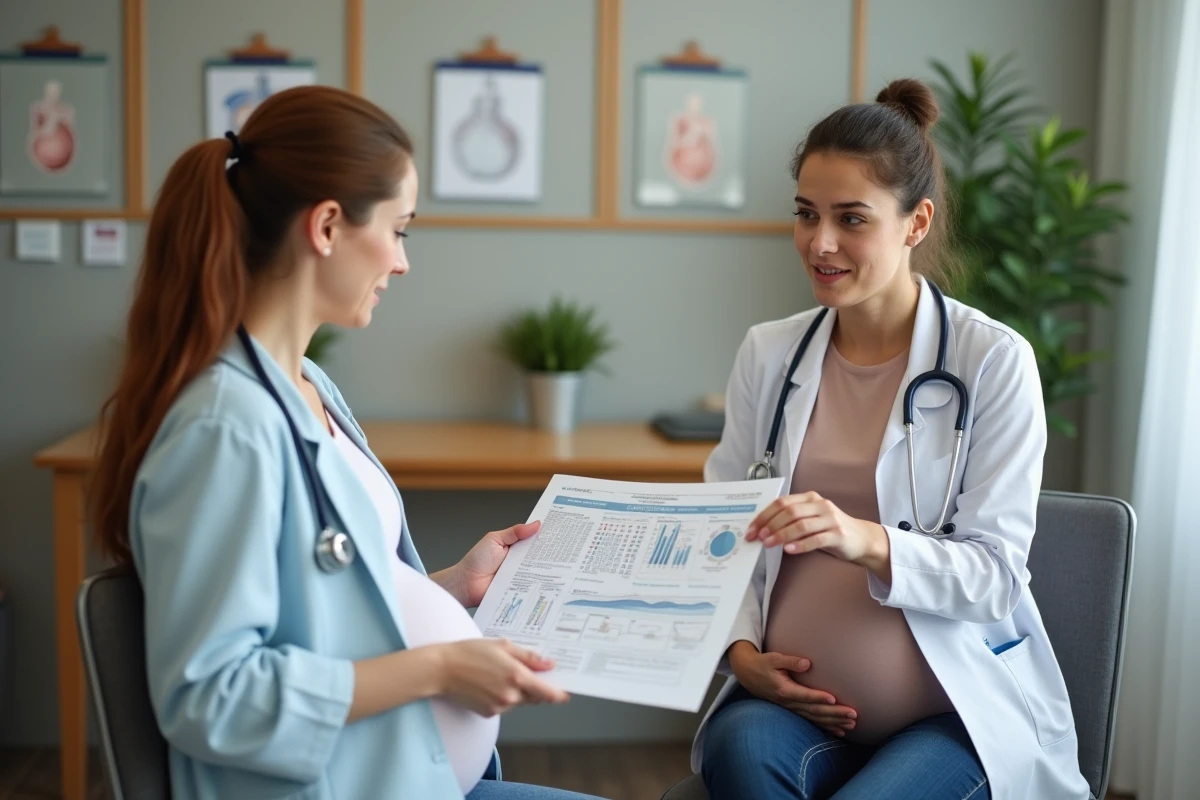
To protect against toxoplasmosis during pregnancy, avoiding sources of contamination remains the most effective measure. In France, serological screening is conducted from the first weeks and allows for quick identification of non-immune women. For them, the HAS recommends a monthly serology until birth. This regular follow-up aims to detect any recent infection and promptly initiate appropriate treatment.
The Toxoplasma gondii parasite is primarily transmitted through food or contact with soil and animals. To limit the risk, some concrete measures should be taken daily:
- Only consume well-cooked meat. Cooking effectively eliminates the parasite, and freezing (at least -18°C for several days) also provides additional safety.
- Thoroughly wash fruits and vegetables, whether from the garden or organic farming.
- Wear gloves when gardening or handling soil, and wash your hands thoroughly afterward.
- Avoid cleaning the cat’s litter box, or if necessary, use gloves and wash your hands immediately afterward.
For those who work with raw meat, soil, or animals (butchers, cooks, farmers, veterinarians, gardeners), vigilance must be heightened. If an infection is confirmed during pregnancy, treatment with spiramycin is generally prescribed to reduce transmission to the fetus. In the case of confirmed infection in the baby, the combination of pyrimethamine, sulfadiazine, and folinic acid is used under strict medical supervision. Toxoplasmosis, often silent but formidable, requires constant attention at every stage of medical follow-up and information.
The silence of the parasite should never lead to negligence. Between daily actions and rigorous screening, every precaution counts. Today’s vigilance is tomorrow’s health.