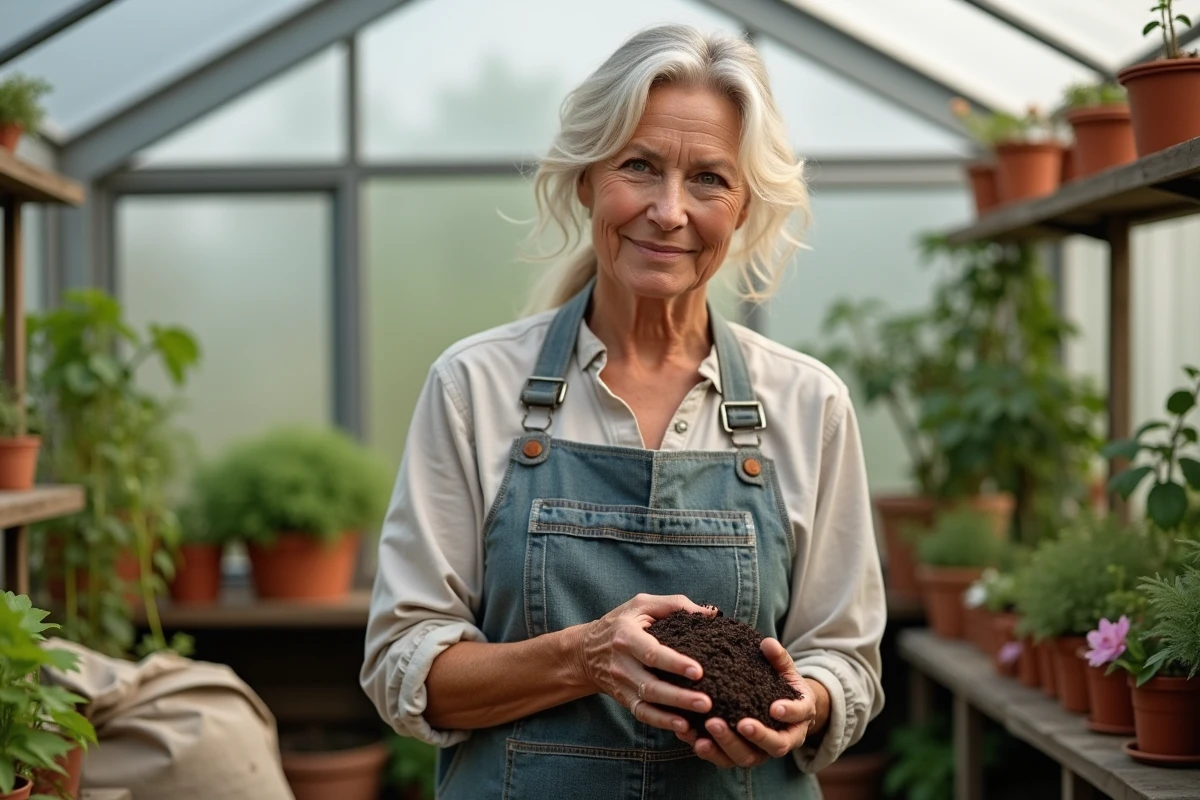
An old bag of potting soil forgotten at the back of a shed never holds the promise of eternity. Between slow decomposition and surprises upon opening, the soil lives, transforms, sometimes exhausts itself, and its whims often escape gardening manuals. Its usability cannot be guessed by the naked eye or by simply reading a printed date. To prolong its vitality and avoid unpleasant surprises, one must pay attention to certain signs and adopt simple yet precise actions.
Recognizing expired potting soil: signs and consequences for your plants
Potting soil is not just a simple support for roots: it plays a crucial role in the health and growth of plants. Over the months, the organic matter diminishes. An old bag loses its ability to retain air and water, compacts, and ultimately suffocates young shoots. Plants weaken, struggle to root, show yellow or dried leaves, and sometimes even stop growing for no apparent reason.
To not miss the warning signals, here are the main symptoms to watch for:
- An abnormal texture: if the potting soil feels sticky, clumps into hard blocks, or turns into fine dust, its structure is compromised.
- A suspicious smell: any hint of mold, ammonia, or stagnant moisture indicates internal deterioration.
- Signs of mold on the surface, often white or colored, betray fungal proliferation.
- The presence of small pests, such as fungus gnats, reveals imbalances conducive to the development of unwanted organisms.
The pH of the substrate can also shift, becoming too acidic or too basic. In this case, the roots poorly absorb nutrients. Even if the packaging displays a deadline, the best reflex is to inspect the actual condition of the potting soil before each use. To complement these checks and discover how to extend the shelf life of potting soil, the Direct Habitat site details concrete methods to consult.
Degraded potting soil opens the door to diseases, insects, and stunted growth. A careful examination before using any bag makes all the difference in preserving the vitality of the garden.
How to know if your potting soil can still be used? Simple tests to do at home
No need to equip yourself like a laboratory to check the quality of your potting soil. A few quick actions are enough to ensure it is still suitable for new plantings.
Start by squeezing a handful of substrate: healthy potting soil feels pliable, slightly moist, neither too compact nor dusty. If you find it crumbles too easily or, conversely, feels sticky, its ability to nourish the roots is already compromised.
The smell also sets the tone: a subtle forest scent is reassuring. A musty, ammonia, or moldy note signals an undesirable evolution.
To go further, set up a germination test. This test consists of a few steps:
- Place radish or lettuce seeds in a small dish with a bit of potting soil.
- Moisten, cover lightly, and then leave at room temperature.
- After a few days, observe: a low germination rate or deformed seedlings reveal that the potting soil is no longer fulfilling its role.
Also inspect the surface of the substrate: the absence of filaments, spots, or insects gives the green light to use it without fear. If necessary, sift the potting soil, mix it with coconut fiber, perlite, or vermiculite to restore its breathability. These simple actions are often enough to restore the quality of the substrate while waiting for the next season.
Extending the lifespan of your potting soil: best storage practices and gardening tips
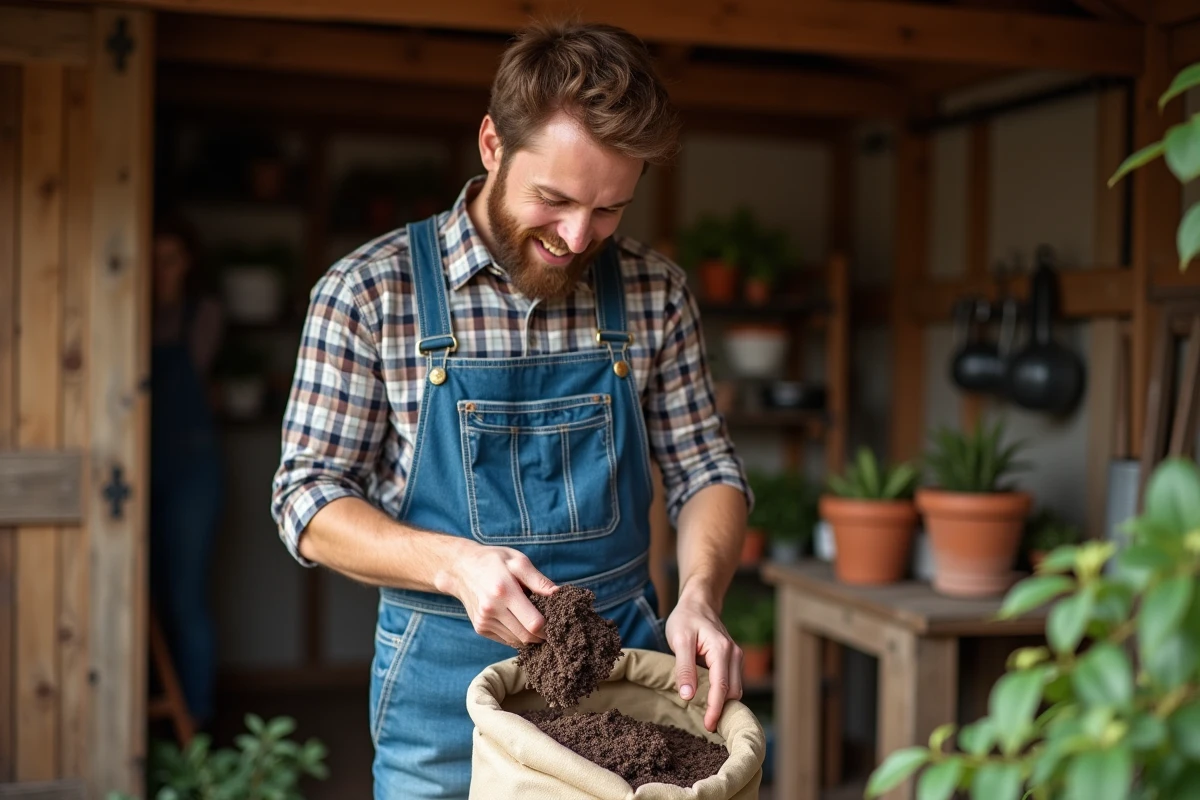
Preserving good potting soil requires a bit of organization and vigilance. The choice of container is not trivial: opt for an airtight container, whether it’s a well-sealed bag or a plastic bin with a lid. This barrier against moisture and temperature fluctuations reduces the risks of mold and pest invasions.
Store your bags in a dry, cool place, protected from frost and away from heat sources. A ventilated garden shed or a non-humid cellar is suitable, provided the ground does not promote condensation. Remember to note the opening date and type of potting soil on each batch: this detail avoids many hesitations during upcoming sowing or repotting.
To give new life to tired potting soil, a few natural additions make a difference. Mature compost, coffee grounds, wood ash, or crushed eggshells provide new nutrients. Mix the substrate to aerate it, and if pests persist, try sterilization in the oven or through solarization. Mixing old potting soil with compost or garden soil, as recommended by Olivier Crouvizier, extends its usage while limiting waste. Managing temperature, humidity, and natural inputs remains the best strategy to keep a living substrate, ready to meet the challenges of each season.
A well-preserved bag, precise actions, and each handful of potting soil continue to provide your plants with the fertile ground they need. Nothing prevents you from imagining, over the seasons, more generous harvests and more vibrant blooms, simply because the substrate has not been neglected.