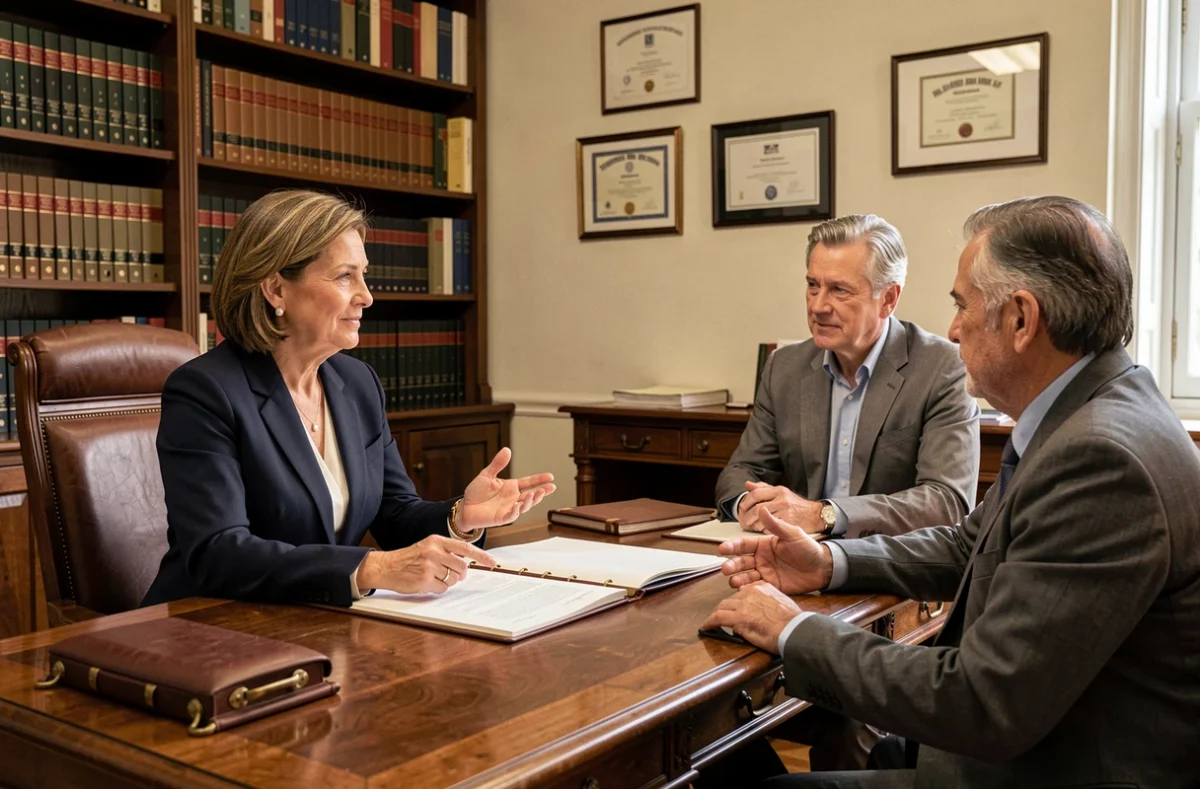
The free consultation with a notary remains a tool for legal guidance, not a wealth audit. In 2026, access channels have diversified, hybrid formats are becoming widespread, and the boundary between free advice and paid services needs to be clearly defined. We take stock of what is changing for individuals.
Remote notarial consultations: the turning point of hybrid formats
The Chamber of Notaries of the West now offers free, confidential, and by-appointment consultations, either by phone or in person, at several departmental hubs. This hybrid model is no longer the exception. Several departmental chambers are aligning with this organization, which removes a real barrier for people who are far from notarial offices or have reduced mobility.
The shift to online appointment booking also changes the management of time slots. Where walk-in consultations generated queues and sometimes rushed interviews, the appointment-based consultation allows for pre-calibrating the duration and topic. We observe that chambers that have adopted this format report a better match between the individual’s request and the specialty of the notary involved.
For those who wish to consult CLE Immobilier for advice regarding the new rules governing these consultations, the details of the limits and practical modalities are documented there.
A technical point to remember: the free consultation by phone does not generate any written document. The notary does not provide a report, draft act, or simulation. If your situation requires a written record, you will need to switch to a paid appointment in the office.
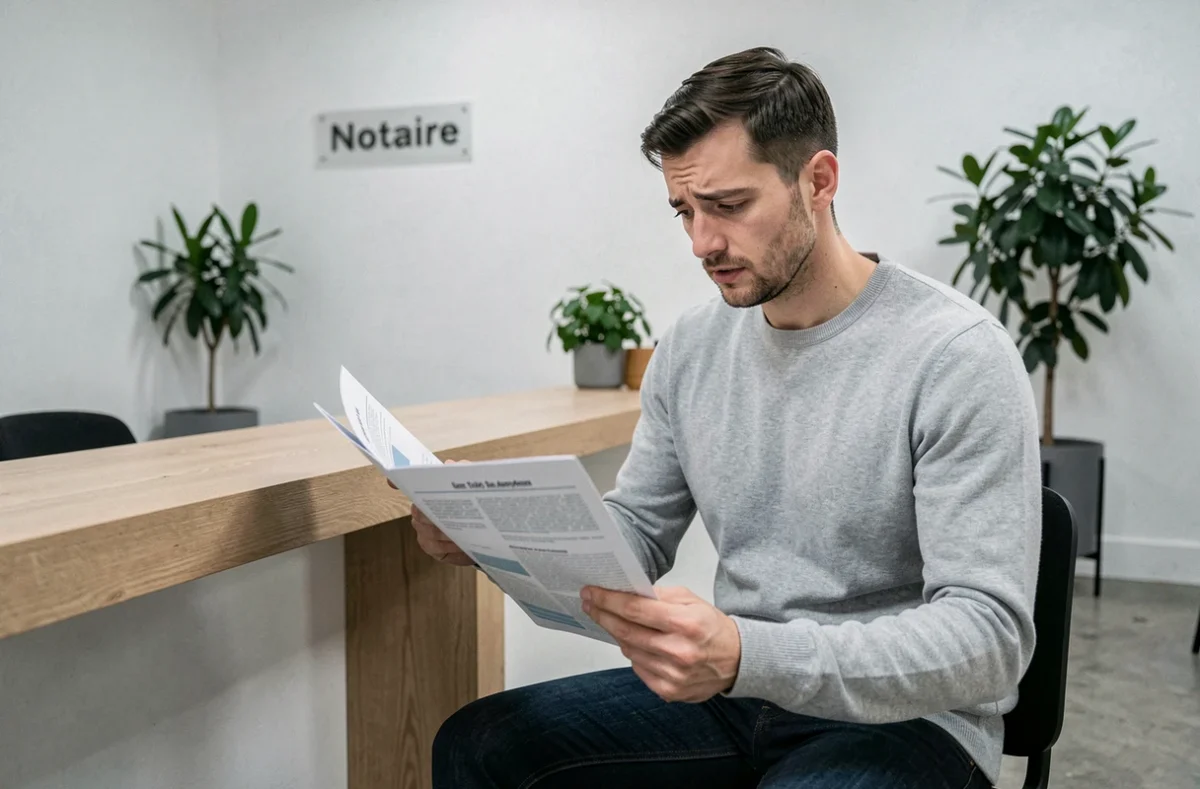
The 3039 and justice points: two underutilized channels to access notarial services
The number 3039, free and anonymous, remains unknown to the general public. It does not directly connect you with a notary but directs you to a justice point or helps identify the nearest notarial office. The 3039 is also accessible to deaf or hard-of-hearing individuals, making it an important entry channel not to be overlooked.
Justice points complement, or even replace, direct inquiries with a notarial chamber. Their main interest: to provide first-level legal information and guidance to the appropriate professional, even when the local chamber has no available slots.
What justice points can address in notarial matters
- Opened succession: identification of necessary acts (certificate of ownership, declaration of succession) and guidance to a competent notary in the matter.
- Donation between living persons: general framework on applicable allowances and referral to the office for drafting the authentic act.
- Protection of the surviving spouse: explanation of options (donation to the last surviving spouse, will, change of marital regime) without drafting an act.
- Real estate purchase: reminder of the notary’s role in the sale, distinction between private deed and authentic promise.
We recommend preparing a written summary of your situation before any contact with a justice point. The consultation time is limited, and a structured presentation allows the professional to target their response.
Free notarial consultation: real scope and pricing limits
The free consultation does not cover document drafting, detailed tax simulation, or personalized wealth strategy. This distinction remains the main source of misunderstandings. A first advisory meeting lasts on average twenty to thirty minutes and is limited to an oral framework.
As soon as the notary drafts a document, even a simple draft, the service falls into the realm of free fees (advice) or regulated pricing (authentic act). The boundary is clear: as long as no written document is produced and no file is opened, the free service applies.
Regulated fees and free fees: two regimes to distinguish
The notary’s fees for acts (sale, donation, succession) are set by decree. However, detailed legal consultations fall under free fees, negotiated between the notary and the client. This distinction explains why the same notary can offer a free initial meeting and then charge for a detailed analysis on the same subject.
Some offices offer a free first appointment outside the regular consultations organized by the chambers. This commercial practice is not governed by any specific text. It depends on the policy of each office. We advise checking this point when making an appointment to avoid any surprises at billing.
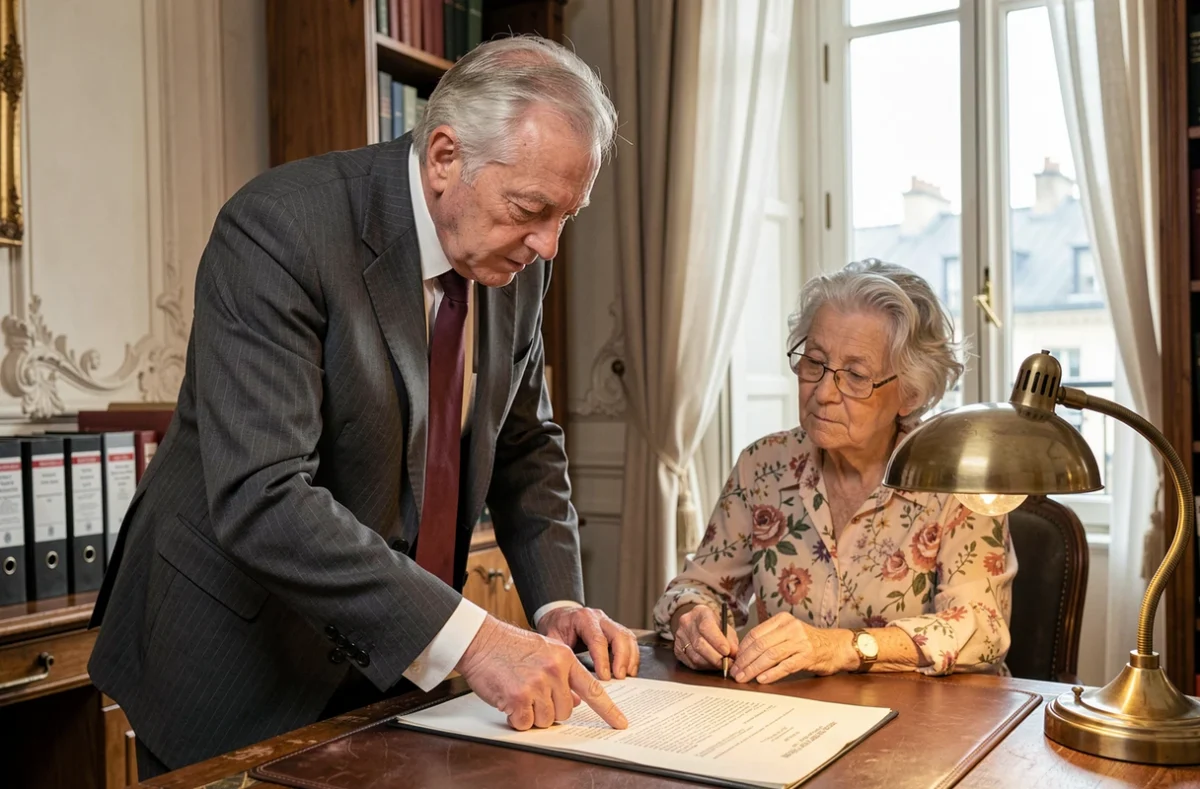
Notarial events in 2026: free consultations outside of classic offices
Several departmental chambers organize, alongside congresses or thematic days, free consultations open to all. These occasional events offer direct access without waiting lists, unlike regular consultations that are often saturated.
These events illustrate a trend: the notarial profession is investing in public spaces to reach an audience that does not spontaneously enter a notarial office. The walk-in format, limited in time, encourages short but targeted exchanges.
The free consultation remains a tool for guidance, not in-depth advice. Identifying the right channel (chamber consultation, justice point, occasional event, 3039) based on your need allows you to save time and arrive better prepared when a paid service becomes necessary.