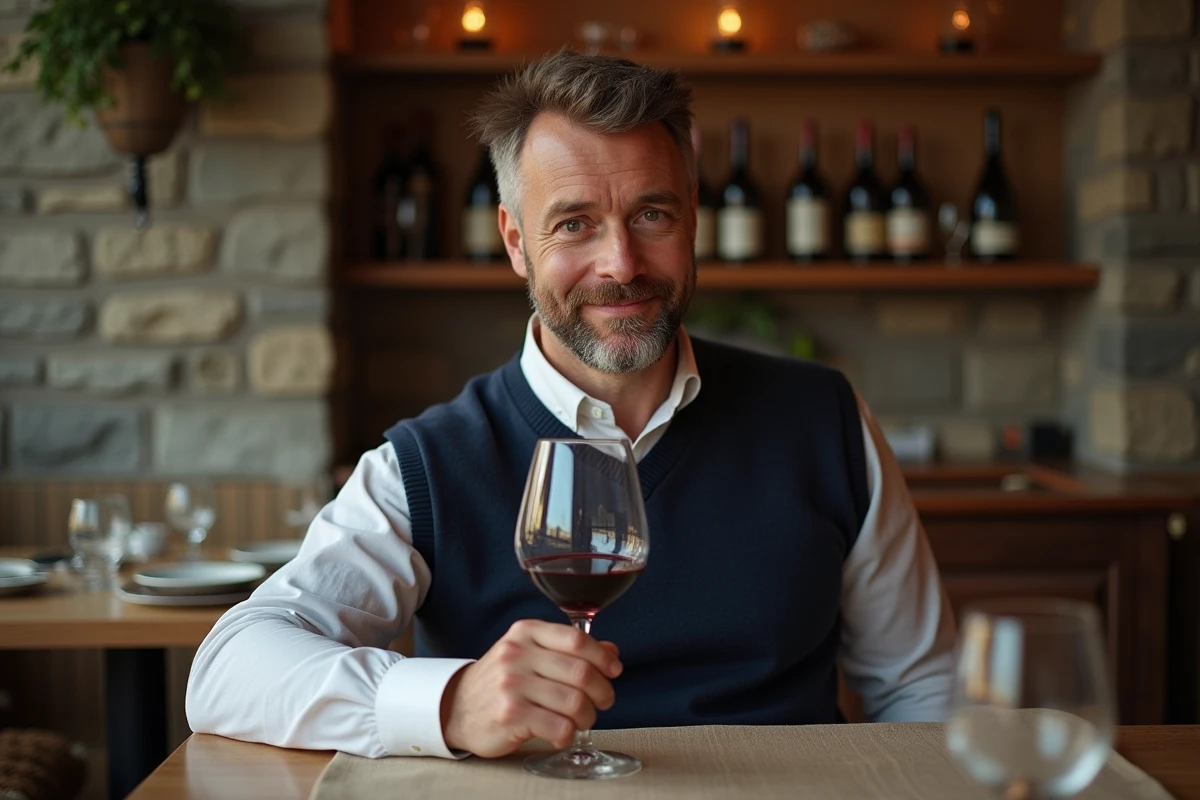
A renowned appellation does not always guarantee a memorable experience. Some vintages considered minor sometimes surpass years praised by critics, provided they have been stored under good conditions. The mentions on the label do not systematically reflect the actual quality of the content.
The pairing of a red wine with a dish often depends on overlooked details, such as the sauce or the intensity of the spices. Classic advice on pairings evolves with gastronomic trends and individual preferences, making absolute rules rarely relevant.
Understanding the basics to choose a red wine without making a mistake
The mosaic of French red wines can sometimes bewilder even the most motivated enthusiasts. Between Bordeaux, Loire, Provence, and Cahors, each region shapes its bottles in its own way: climate, soil, winemaker’s style, nothing is left to chance. The choice is never limited to a price or a famous name: it is about desires, tastes, a grape variety one loves, or a specific pairing with an upcoming dish.
Browse through practical guides, talk to a passionate wine merchant, enjoy a wine fair to step off the beaten path. These events often lead to beautiful discoveries, with bottles offering unexpected value for money. Let curiosity lead you: a well-crafted wine from a small appellation can surprise, provided you dare to venture there.
Here are some guidelines to help you navigate this universe:
- The grape variety (merlot, pinot noir, malbec…) shapes the character and structure of the wine.
- The wine region leaves its mark: the freshness of a Loire contrasts with the strength of a Cahors.
- The food-wine pairing refines with experience, but many online tools help you progress quickly.
visiting the 75cl info site allows you to read reviews, articles, or follow guides that structure your learning and refine your choices. Specialized podcasts, workshops from the Coam founded by Yann Rousselin, and careful reading of a dedicated magazine: all these resources sharpen the palate and refine critical thinking. Choosing a red wine means accepting to always learn, to question one’s certainties, and to be open to surprises.
What do labels really reveal? Decoding essential information
The label on a bottle serves not only to fulfill a legal framework: it provides the first key to understanding. This surface concentrates information that guides, reassures, or sometimes sows doubt. Vintage, name of the estate, appellation, alcohol content, medals… Every detail matters in the evaluation and expectations of the future taster.
Sometimes, a reference to a tasting competition, whether it is the Salon des Vignerons Indépendants in Paris, Millésime BIO in Montpellier, or the Salon des vins de Loire in Angers, signals recognition from a jury. These medals highlight the winemaker’s work and reassure the curious. But do not rely solely on them: the consistency between what the label promises and what the tasting delivers remains crucial.
To find your way, a few elements deserve special attention:
- The vintage indicates the year of harvest, with all that implies in climatic variations and style.
- The appellation guarantees a terroir, a method, a specific level of demand.
- The producer’s name engages the responsibility of a person or family behind each cuvée.
- The alcohol degree offers an indication of the potential strength and balance of the wine.
Deciphering a label is about anticipating the wine’s profile and shaping your expectations. Enthusiasts compare, confront appellations, note the announced aromas or received distinctions. At specialized fairs, such as Les Printemps de Châteauneuf-du-Pape, nothing beats dialogue with the winemaker and shared tasting to test the promises of the label.
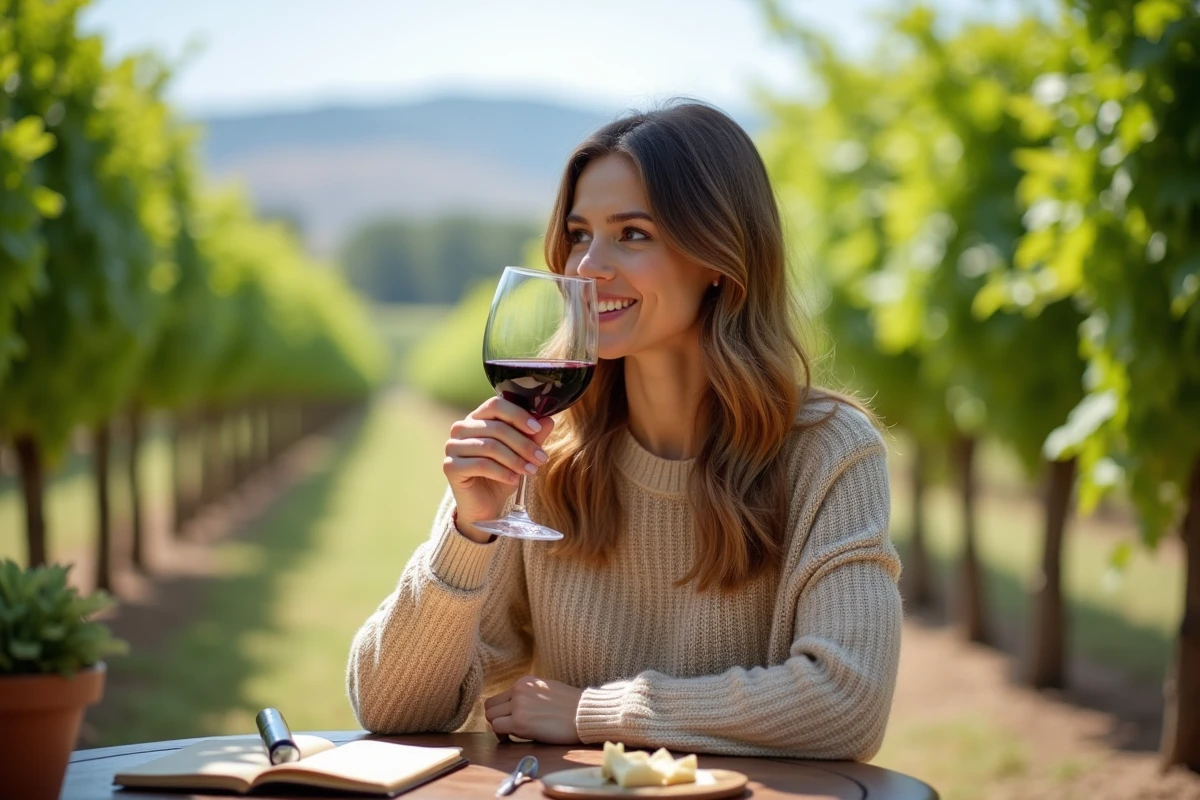
Successful food-wine pairings to shine on all your occasions
Nothing compares to a well-mastered food-wine pairing to transform a meal into a truly exceptional moment. It is not just about great bottles: the magic lies in the accuracy of the marriage between flavors and the chosen wine. A full-bodied red wine enhances red meat, while a dry white shines with delicately cooked fish. A Burgundy pinot noir perfectly accompanies poultry, while a young Bordeaux pairs flawlessly with lamb.
The serving temperature plays a key role: a red served too warm tires, a white too cold loses its subtlety. For each type of wine, there is an ideal range to respect. Accessories, such as a decanter, quality corkscrew, and appropriate glasses, are integral to the tasting, just like aeration or decantation that reveal aromatic complexity.
To succeed in your pairings every time, here are some key points to keep in mind:
- A wine glass that is clean and free of any odors faithfully returns the aromas.
- Decanting a young wine allows its bouquet to open and its tannins to soften.
- Keeping a tasting notebook helps memorize your feelings and refine your preferences over time.
The sommelier shares their knowledge, but nothing replaces practice, curiosity, and listening to your own sensations. For every occasion, every recipe, seek that balance point that highlights the dish and gives the wine its full dimension. A successful meal is often the memory of a vibrant pairing, etched in minds for a long time.